

Support healthy skin with a simple routine: gentle cleansing, suitable moisturizer, daily sun protection, and a careful approach to new products and irritation….

What Hospital Social Workers Wish Families Knew About Staying Close
Hospital social workers help patients and families navigate illness, treatment, practical needs, and transitions between care settings. Staying close during a hospital stay does not always mean being at the bedside: it can also mean sharing decisions, communicating consistently, and protecting the patient’s wishes. The American Hospital Association reports that U.S. hospitals provided more than […]
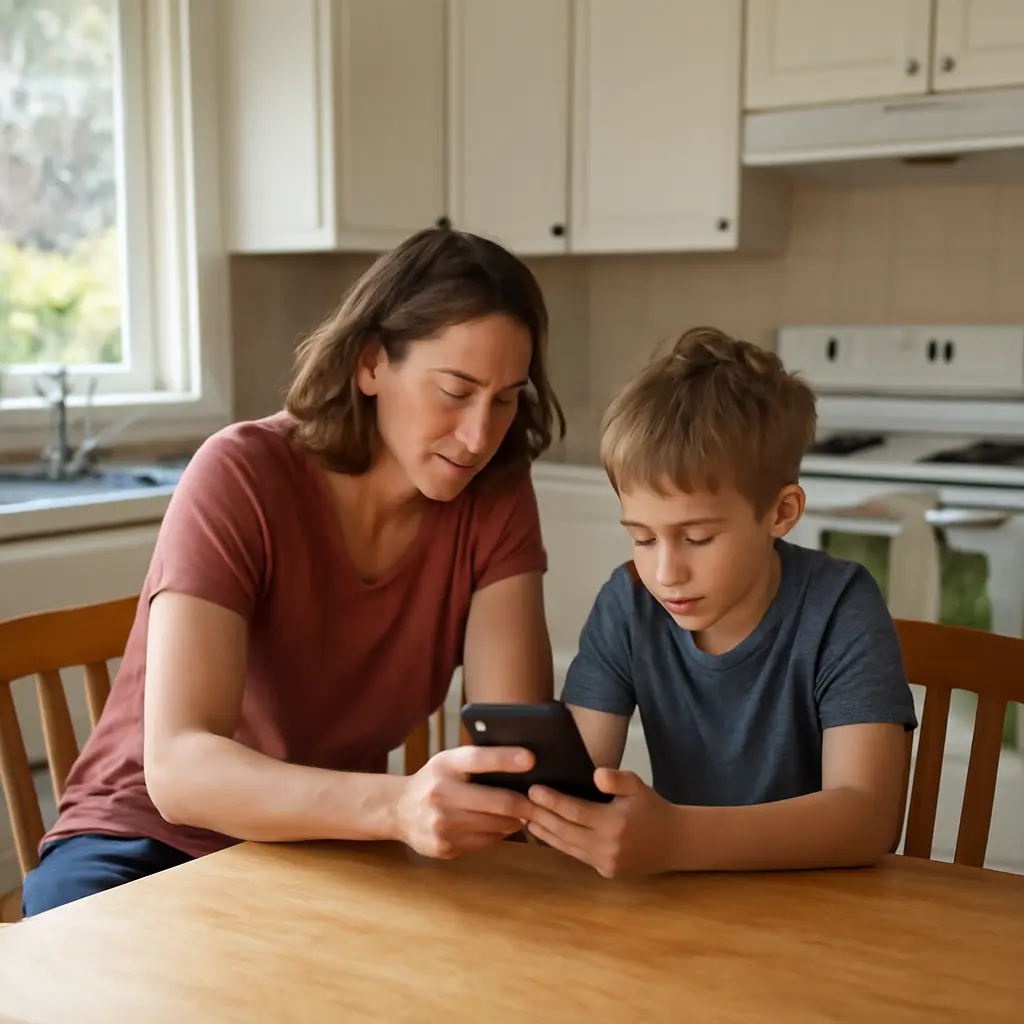
When should children start using communication apps safely
Communication apps let children exchange messages, calls, photos, or videos through internet-connected devices. There is no single age at which every child is ready to use them safely: readiness depends on the child’s maturity, the app’s features, family rules, and adult supervision. A sensible starting point is to introduce a limited, parent-managed option when a […]

Entertainment options that actually work for isolated children
When children are isolated from peers—because of illness, disability, geography, emergencies, or family circumstances—effective entertainment is more than a way to fill time: it can support connection, play, learning, and emotional well-being. The best options are accessible, age-appropriate, varied, and, where possible, shared with a trusted adult or another child. UNICEF reported that at least […]

Accessibility gaps in mental wellness technology nobody talks about
Mental wellness technology includes apps, online therapy, chatbots, and digital tools for tracking or supporting emotional health. Its accessibility gaps are the barriers that keep people from using these tools—or using them safely and effectively—because of disability, language, cost, connectivity, privacy concerns, or poor cultural fit. The gaps matter at scale: the World Health Organization […]

Designing Emotional Outlets, How Hospitals Are Rethinking Patient Experience
Hospitals are creating emotional outlets—spaces, services, and activities that help patients express feelings, regain a sense of control, and cope with illness. These outlets range from art and music programs to gardens, counseling, and family-centered spaces. Their importance is underscored by the World Health Organization’s estimate that one in eight people worldwide lives with a […]

Smart habits deliver stronger bonds without extra hospital effort
Smart Habits—Stronger Hospital Bonds Without Extra Effort Smart habits are small, repeatable behaviors that improve safety, clarity, dignity, and trust during healthcare encounters. In hospitals, habits such as introducing oneself, explaining the next step, listening without interruption, using teach-back, and closing each interaction with a clear invitation for questions can strengthen patient and family relationships […]

These video tools solved our child’s distance from grandparents fast
Video Calling Tools—Intergenerational Connection: How Families Reconnected Children and Grandparents Fast Video calling tools are internet services and connected devices that transmit live video and audio between people in different locations. For children separated from grandparents by distance, simple video chats, tablet-based family apps, smart displays, and short recorded messages can restore frequent face-to-face contact […]

Avoid these errors when setting up nonprofit collaborations
Nonprofit collaboration is a structured relationship in which two or more mission-driven organizations share resources, knowledge, responsibilities, or advocacy activities to achieve outcomes that would be difficult to reach independently. The most common setup errors are choosing partners without sufficient mission fit, relying on vague verbal agreements, underestimating governance and financial risks, overlooking community voice, […]

New parents learn simple activities that cheer up young patients
New parents’ responsive bedside play is the use of brief, age-appropriate activities—such as reading, singing, drawing, bubbles, and storytelling—to help young patients feel safer, connected, and involved during illness or hospitalization. The American Academy of Pediatrics identifies play, preparation, education, and emotional support as important parts of child life services, while research on therapeutic play […]